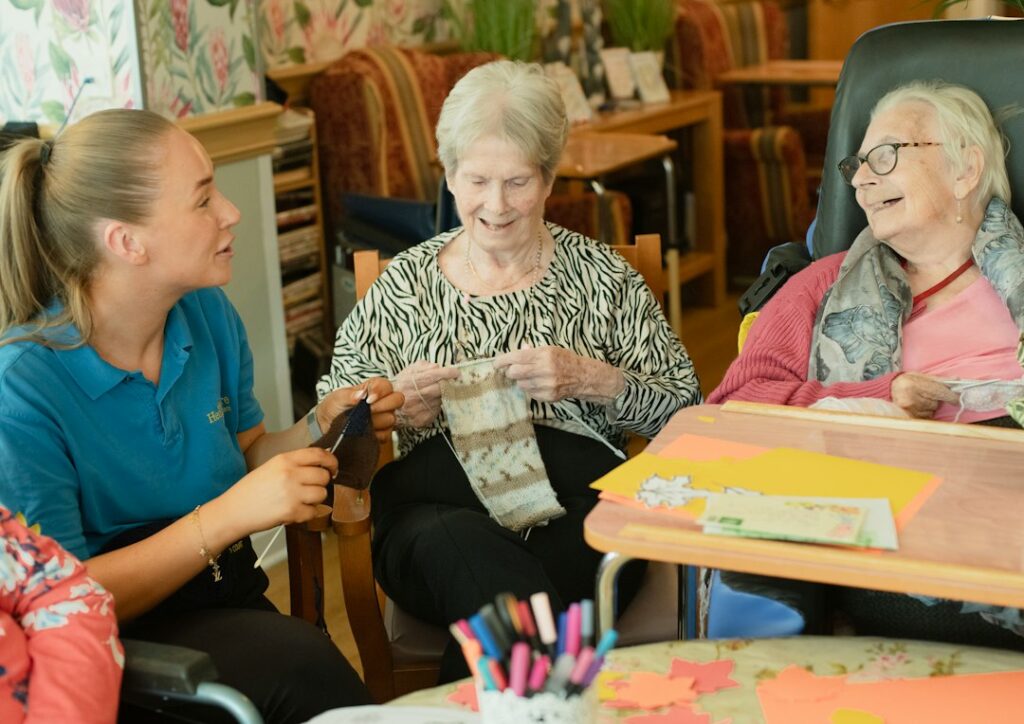
Seasonal activities can support movement, social connection, memory, and emotional well-being for assisted living residents. The most successful programs are not necessarily elaborate; they are familiar, flexible, and adapted to residents’ abilities, interests, and comfort levels.
In Spring City, PA, seasonal planning also means responding to changing temperatures, snow or ice, summer humidity, and shorter winter daylight. Activities should offer meaningful ways to participate indoors or outdoors, with safety adjustments made for balance, vision, hearing, endurance, and cognitive changes.
What makes a seasonal activity appropriate for assisted living?
An appropriate activity can be adapted without making residents feel singled out or pressured. It should offer more than one way to participate, such as sitting, standing, observing, talking, creating, or helping with a simple task.
Useful planning questions include:
- Can the activity be completed in short stages?
- Is there a seated option?
- Are supplies large enough to see and handle comfortably?
- Can residents participate without strong memory, hearing, or vision skills?
- Is the activity familiar or connected to personal experiences?
- Can staff pause or simplify it if residents become tired?
- Does the space have clear walking paths and adequate lighting?
Activities are often more successful when they focus on enjoyment rather than performance. A resident does not need to finish a craft, remember every song, or follow every game rule to benefit from being included.
Which spring activities work well for older adults?
Spring activities can focus on new growth, familiar outdoor sights, and gentle movement. Because weather may change quickly, outdoor plans should have an indoor alternative.
Residents may enjoy planting herbs or flowers in raised containers, window boxes, or small tabletop pots. Handling soil, smelling herbs, and watching new growth can provide sensory stimulation and conversation. For residents who cannot garden safely, sorting seed packets, labeling containers, or choosing colors offers a meaningful role.
Other spring ideas include:
- Folding and decorating paper flowers
- Listening to recordings of birds or rain
- Creating a seasonal bulletin board
- Looking through family photographs of gardens, farms, or outdoor gatherings
- Hosting a seated stretching session near a sunny window
- Making simple fruit salads or assembling no-bake snacks
- Discussing spring traditions, holidays, and childhood chores
Outdoor walks should be short and planned around comfortable conditions. After rain, walkways may be slippery, and pollen may affect residents with allergies or breathing conditions. Shade, seating, and access to restrooms can make outdoor participation easier.
How can summer activities remain safe and enjoyable?
Summer programs should emphasize hydration, shade, lighter activity, and protection from heat. Older adults may not feel thirst as strongly as younger people, so beverage breaks should be offered routinely rather than waiting for residents to request them.
Indoor summer activities can include tropical-themed music, hand fans, flower arranging, fruit tasting, and discussions about vacations or summer memories. A room with air conditioning can provide a comfortable setting for painting, sing-alongs, card games, and gentle exercise.
For outdoor activities, consider:
- Scheduling programs during the cooler morning or early evening hours
- Providing shaded seating
- Avoiding prolonged standing
- Offering water or other approved beverages
- Using wide-brimmed hats or other sun-protective clothing
- Checking that outdoor surfaces are stable and free of clutter
- Moving indoors if residents appear flushed, unusually tired, dizzy, confused, or short of breath
Water-based activities require special care. Even shallow water can create a fall risk, and wet floors may become slippery. Any program involving pools, sprinklers, or water containers should follow facility safety procedures and resident care plans.
What are good fall activities for assisted living residents?
Fall offers familiar sights, seasonal foods, and opportunities for reflection. Residents may enjoy sorting colorful leaves, making centerpieces from artificial foliage, or viewing changing trees from a safe outdoor area or window.
Cooking-related activities can be adapted for residents with different abilities. Some residents may measure ingredients, while others stir, identify spices, fold napkins, or share family recipes. Staff should account for dietary restrictions, swallowing concerns, diabetes management, allergies, and food safety requirements.
Fall activities may include:
- Apple or pumpkin-themed sensory displays
- Decorating small gourds or paper pumpkins
- Listening to harvest-related music
- Discussing school memories and autumn traditions
- Making a collage from red, gold, and brown paper
- Hosting a sweater-weather reading group
- Taking photographs of seasonal decorations
- Playing modified games involving leaves, colors, or harvest foods

Outdoor walks in fall can be especially pleasant, but leaves may hide uneven pavement or make surfaces slick. Residents using walkers or wheelchairs may need a carefully checked route with firm, unobstructed ground.
How can winter activities reduce isolation?
Winter activities should create social connection during periods when cold, snow, ice, and early darkness may limit outdoor time. A regular schedule helps residents anticipate enjoyable events and maintain a sense of routine.
Indoor programs can include music from residents’ younger years, storytelling, puzzles, knitting or other handwork, holiday discussions, and simple science activities involving snow or ice. A “winter memories” conversation may bring up family traditions, favorite meals, work experiences, or past weather events.
Appropriate options include:
- Decorating paper snowflakes
- Making seasonal cards
- Watching birds from a window
- Holding a hot beverage and conversation group
- Organizing a tabletop bowling or ring-toss activity
- Listening to winter-themed poetry or music
- Creating a memory box with safe, familiar objects
- Practicing seated dance or range-of-motion exercises
Winter gatherings should account for shorter daylight, glare from snow, cold drafts, and increased fall risk near entrances. Wet floors from melted snow should be addressed promptly, and residents should not be encouraged to go outdoors if surfaces are icy or conditions are unsafe.
How should activities be adapted for residents with dementia?
Residents with dementia often benefit from activities that use familiar motions, sensory experiences, and clear expectations. The activity does not need to be completed correctly to be valuable.
A resident may enjoy folding towels, matching colors, sorting large objects, watering plants, listening to familiar music, or looking through seasonal photographs. Instructions should be brief and offered one step at a time. Demonstrating the task may be more effective than explaining it verbally.
Avoid correcting every mistake or turning an activity into a test. If a resident loses interest, becomes frustrated, or repeats an action, the activity can be simplified or changed. Calm reassurance and positive conversation are usually more helpful than insisting on completion.
How can residents with limited mobility participate?
Limited mobility should not prevent meaningful seasonal participation. Activities can be arranged at a table, bedside, or in a common area with clear space for mobility devices.
Examples include choosing decorations, arranging flowers in a lightweight container, identifying music, tasting approved foods, sharing stories, holding craft materials, or directing another participant through a simple task. Residents who cannot safely handle supplies may still participate by observing, making choices, or discussing memories.
Any movement program should follow the resident’s care plan. Chairs should be stable, pathways should remain clear, and activities should stop if pain, dizziness, unusual fatigue, or breathing difficulty occurs.
What helps seasonal programs stay meaningful?
The strongest programs connect the season with residents’ personal histories. A spring gardening discussion may be more engaging for someone who once kept a vegetable garden. A winter music program may be especially meaningful to someone who played an instrument or attended community dances.
Before planning, ask residents about favorite foods, songs, holidays, hobbies, occupations, and family traditions. Participation should remain voluntary, and cultural or religious differences should be respected.
A balanced calendar can include creative projects, movement, food-related activities, conversation, music, sensory experiences, and quiet options. Seasonal programming is most useful when it offers residents genuine choices and recognizes that comfort, energy, and interest can vary from day to day.