

Why Do Falls Happen Frequently in Assisted Living Settings?
Falls are a common concern for older adults living in assisted living communities, often due to a mix of health, environment, and daily routine factors. Local residents in Spring City, PA experience seasonal changes that can further impact risk, such as icy walkways in winter or wet leaves during fall months. Age-related balance changes, medication side effects, and even minor vision issues all play a role. Within apartments and shared spaces, unfamiliar layouts or small tripping hazards can make even short walks risky.
Many residents underestimate how small obstacles—like a curled rug edge or loose slippers—can lead to falls. Combining this with slower reaction times or chronic health conditions increases risk.
How Can Residents Safely Navigate Their Living Spaces?
Small changes at home can prevent many falls. Stairways, hallways, and bathrooms are particularly prone to accidents, especially during night hours or bad weather.
Practical local safety steps include:
- Keeping walking paths clear of shoes, bags, and electrical cords
- Using nightlights in bedrooms, bathrooms, and hallways to improve visibility after dark—especially important during Spring City’s longer winter nights
- Choosing footwear with non-slip soles and avoiding backless slippers or socks on smooth floors
- Installing grab bars in bathrooms near showers and toilets
- Checking that all rugs have non-slip backing or are securely taped down
Building staff or maintenance teams may be available to help with larger safety modifications, such as fixing uneven flooring or installing handrails.
What Should Residents Know About Outdoor Safety?
Slippery sidewalks and sudden weather changes in Pennsylvania’s climate can pose risks just outside the front door.
To reduce outdoor fall hazards:
- Wear supportive shoes with good tread when walking outside, especially in icy or rainy weather
- Use available ramps or handrails for steps and curbs
- Avoid carrying heavy, bulky items that block your view of the walkway
- Remain alert for wet leaves in autumn and ice patches in winter; request prompt snow and ice removal for shared entryways
Local residents often overlook the importance of slowing down for outdoor transitions—rushing between indoors and outdoors increases the chance of missing a rain-slicked spot or a misaligned step.
Which Medical and Health Factors Affect Fall Risk the Most?
Certain medications, vision changes, and chronic conditions can all increase the likelihood of falling. Talk to your healthcare provider if you experience new dizziness, blurred vision, or weakness. Conditions like arthritis, diabetes, or low blood pressure can also interfere with balance and mobility.
Regular vision checks are crucial, as outdated glasses or untreated cataracts often contribute to missteps. If new medications make you feel off-balance—even for a few days—speak up promptly. In Spring City, routine visits with local healthcare clinics or general practitioners are often the first line of defense for identifying and managing these risks.
How Does Exercise Support Fall Prevention?
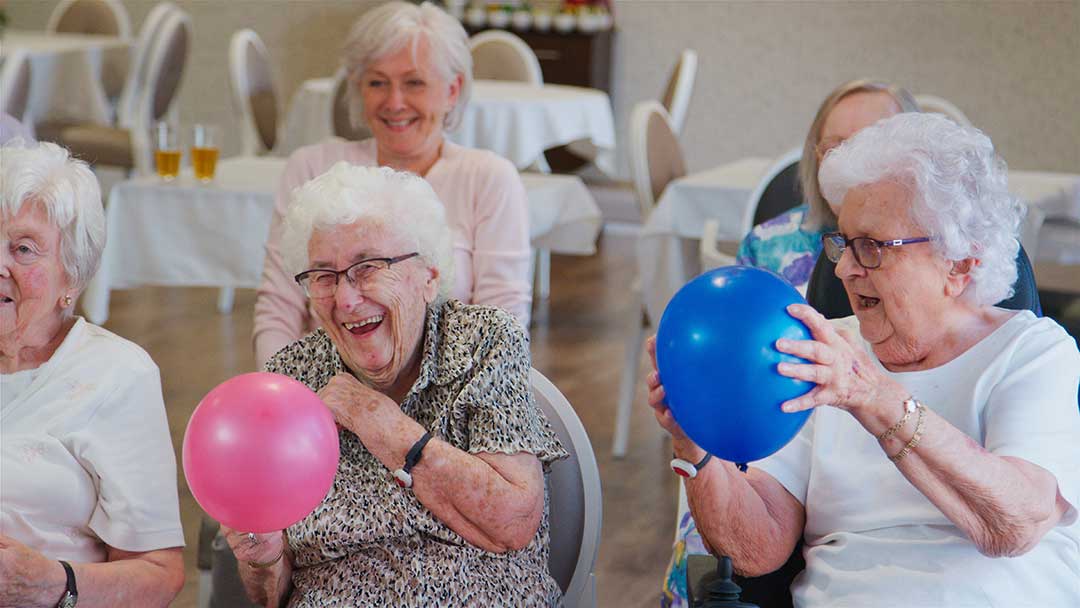
Consistent, gentle physical activity improves balance, leg strength, and coordination, helping to lower fall risk. Simple routines such as seated stretching, walking, or tai chi fit well into most daily schedules and can be done indoors throughout the year.
For local residents with mobility concerns, exploring group classes or guided movement activities in community spaces can provide social support as well as physical safety. Residents with more complex medical histories should check with a healthcare provider before beginning new exercise routines.
Are Assistive Devices Worth Considering?
Using a cane, walker, or other mobility aid can make a significant difference in stability and confidence, especially after a recent fall or surgery. Many people are reluctant to use these tools due to stigma or worry about appearing frail, but the right device can actually help maintain independence.
Ensure any assistive device is properly fitted—incorrect cane height, for example, can cause strain or instability. Local therapists or clinic-based occupational therapists can provide guidance on proper selection and use.
What Else Can Residents Do to Reduce Fall Risks?
Fall prevention extends to habits, routines, and regular check-ins:
- Rise slowly after sitting or lying down, allowing time for blood pressure to adjust
- Keep frequently used items within easy reach to avoid unnecessary stretching or climbing
- Review all medications with a healthcare provider every six to twelve months
- Report any broken handrails, burnt-out lights, or loose flooring to maintenance promptly
Awareness is a powerful preventative tool. Honest conversations with household members, friends, or trusted aides can identify hidden risks, particularly after a near-miss or minor stumble.
Common Fall Myths: What Misconceptions Persist?
Some believe falls are simply unavoidable with age, but most have preventable causes. Others assume using a mobility aid guarantees safety, but improper use or neglecting environmental risks can still lead to accidents. The belief that falls only happen to those with severe mobility problems often delays necessary changes, especially for residents who appear outwardly healthy but have subtle balance or vision issues.
Recognizing these misconceptions allows for more proactive choices around safety—making steady improvements to both home environment and daily routines.
